Signs a Tree Might Be Dangerous (And What to Do Next)
Trees are a valuable part of any outdoor space. They add character, provide shade and support local wildlife. But like any living structure, trees can develop problems over time. When they do, they can become a risk to people, property and surrounding areas.
At DTG Trees & Grounds, we regularly assess trees across Devon and are often called out when something “doesn’t look quite right.” Knowing what to look for can help you act early and avoid bigger issues later.
Common Signs a Tree May Be Unsafe
Not all tree defects are obvious, but there are some key warning signs that shouldn’t be ignored.
1. Cracks in the Trunk or Major Branches
Visible splits in the trunk or large limbs can indicate structural weakness. These cracks may worsen over time, especially in high winds or heavy rain, increasing the risk of failure.
2. Dead or Dying Branches
Large dead branches in the crown can fall without warning. This is particularly dangerous in gardens, near footpaths or close to buildings.
3. Leaning Trees
A slight lean isn’t always a problem, but if a tree has recently started leaning or the angle has increased, it could suggest root instability or soil movement.
4. Fungal Growth Around the Base
Mushrooms or fungal brackets at the base of a tree can be a sign of internal decay. While not all fungi are harmful, some indicate significant structural weakness within the trunk or roots.
5. Cavities and Decay
Holes or hollow areas in the trunk or major limbs can reduce the tree’s strength. What you see externally is often only a small part of the issue.
6. Root Damage or Ground Disturbance
Exposed, damaged or lifted roots can affect the tree’s stability. This is often seen after storms or groundworks nearby.
Why Early Action Matters
Trees rarely fail without warning. In most cases, there are signs beforehand, but they can be easy to overlook or misinterpret.
Acting early allows for:
- Safer, more controlled work
- Lower costs compared to emergency call-outs
- The possibility of retaining the tree rather than removing it
- Reduced risk to people, buildings and vehicles
Leaving a potentially dangerous tree unchecked can lead to sudden failure, especially during storms or high winds.
What Should You Do If You’re Concerned?
If you’ve spotted any of these signs, the best step is to get the tree assessed by a qualified professional.
A proper inspection will look at:
- The tree’s overall condition
- Structural integrity
- The likelihood of failure
- The level of risk to surrounding areas
In some cases, the solution may be simple pruning or management. In others, more significant work may be required. The key is getting clear, informed advice.
Professional Tree Inspections You Can Rely On
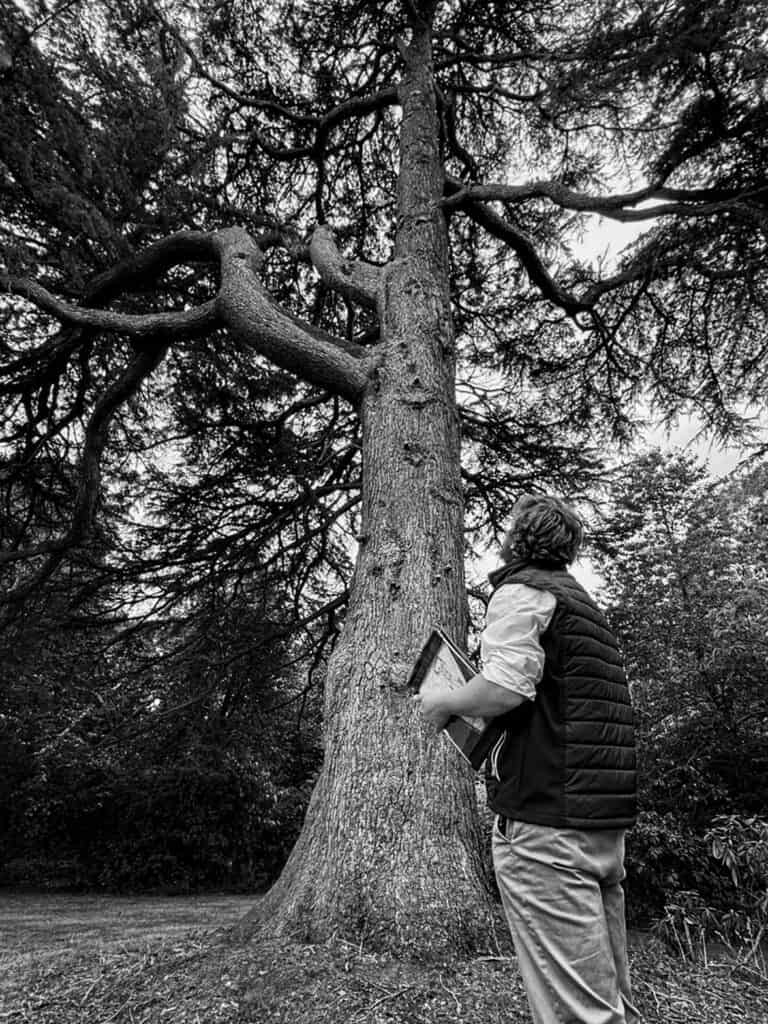
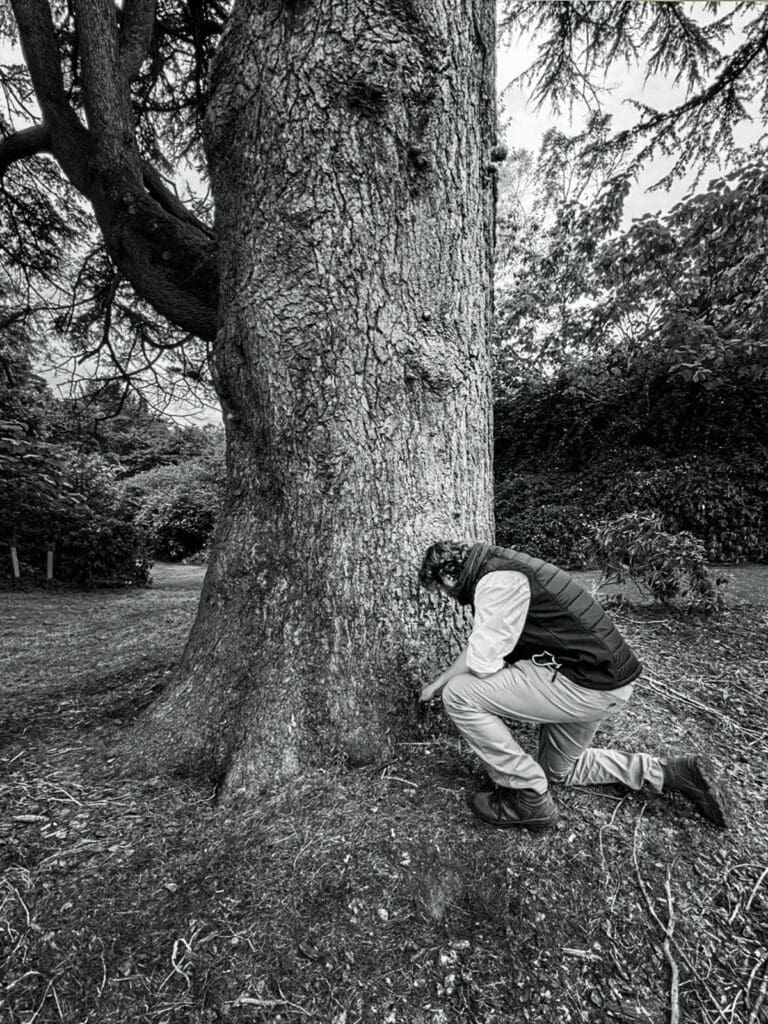
At DTG Trees & Grounds, we provide detailed tree inspections and surveys across Devon. Where needed, we can carry out more in-depth assessments, including aerial inspections and risk evaluations, to fully understand the condition of a tree.
Our goal is always to give honest, practical recommendations. That might mean reducing a risk, managing the tree long-term or, where necessary, removing it safely.
Don’t Wait Until It Becomes a Problem
If a tree doesn’t look right, it’s always worth checking. What seems like a small issue now can develop into something far more serious over time.
Getting ahead of the problem gives you more options, better outcomes and peace of mind.
If you’re unsure about a tree on your property or site, the DTG team are always happy to take a look and advise on the best next steps
Do you need help from our experts?
Give us a call today to get expert advice and support from our experienced team.