Tree Work Near Roads and Public Footpaths in Devon: What Landowners Need to Know
Tree Work Near Roads and Public Footpaths in Devon: What Landowners Need to Know
Trees are part of what makes Devon’s landscape so distinctive. From narrow lanes around Dawlish, Teignmouth and Starcross to rural access tracks, estate boundaries and public footpaths, mature trees often sit close to places people use every day.
Most of the time, that is not a problem. But when trees overhang a road, lean towards a path or start showing signs of decline near a public area, landowners need to take it seriously.
At DTG Trees & Grounds, we regularly work with homeowners, estates, farms, commercial sites and managed properties across Devon where trees need to be inspected, reduced, made safe or removed near access routes. These jobs need a careful approach because they are not only about tree work. They are also about public safety, access, traffic, timing and doing the work properly.
Why Roadside and Footpath Trees Need Extra Attention
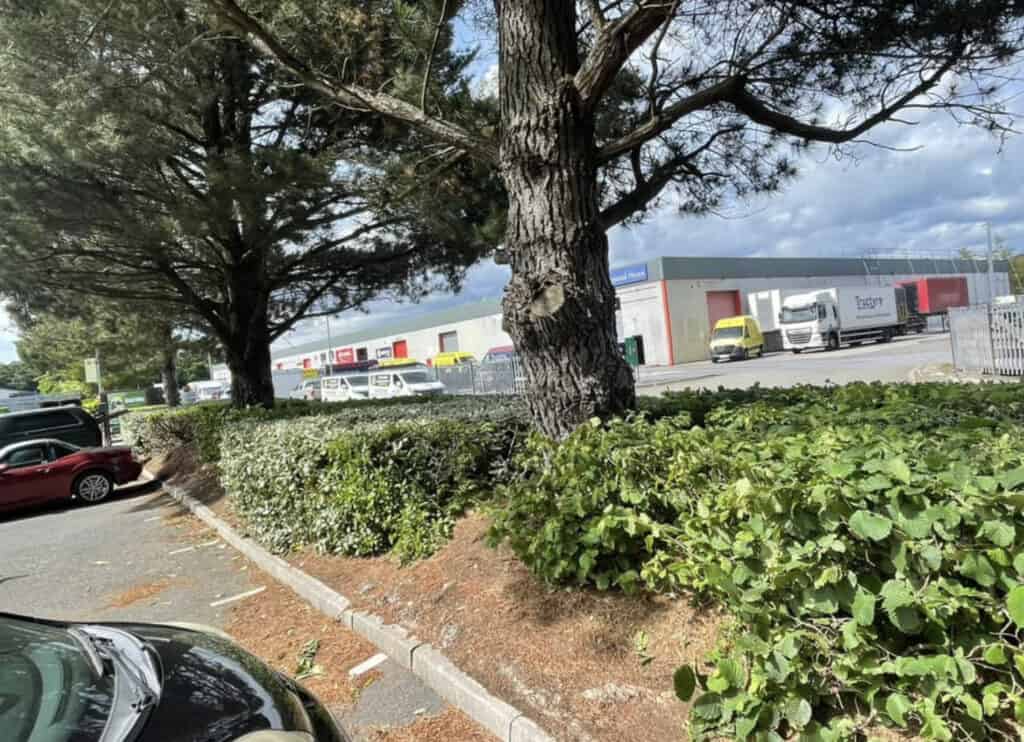
A tree in the middle of a field has a very different risk profile to a tree beside a road, driveway, public footpath, school entrance or car park.
The tree itself may have the same defect, but the risk changes because of what is nearby. A dead limb over a quiet corner of woodland may be low risk. A dead limb over a pavement, lane or entrance point needs looking at much sooner.
Common issues include:
- Branches overhanging roads or pavements
- Deadwood above public access routes
- Trees leaning towards roads, footpaths or buildings
- Storm damaged limbs caught in the crown
- Reduced visibility near entrances or junctions
- Root movement affecting banks or boundary edges
- Ash dieback, decay or fungal growth near high-use areas
This is why professional tree surveys are so important. The aim is not to remove trees unnecessarily, but to understand whether they are safe in their current setting.
Devon’s Roads and Rural Lanes
Devon has a huge number of country lanes, hedgebanks and roadside trees. In places around Teignbridge, Exeter, Dawlish, Newton Abbot and the wider South Devon area, trees are often close to narrow roads, properties and public rights of way.
That means access and safety need to be thought through before any work starts. Some jobs may be straightforward, while others may need traffic management, careful dismantling, specialist machinery or liaison with the relevant authority.
For landowners, the important thing is to act early. If a tree is starting to look unsafe or has been affected by recent weather, getting advice before the situation becomes urgent can make the work safer, more controlled and often easier to plan.
Who Is Responsible for Trees Beside Roads and Paths?
In many cases, responsibility sits with the owner of the land the tree is growing on.
If a tree is rooted on private land but overhangs a road, lane, public footpath or neighbouring property, the landowner may still have a responsibility to manage obvious risks. This is especially important where a tree is visibly damaged, dead, diseased or unstable.
For private landowners, farms, estates and commercial sites, the practical message is simple. If a tree is close to an area used by the public, vehicles, tenants, staff, visitors or neighbours, it should not be ignored if there are signs of concern.
Signs a Roadside Tree May Need Professional Attention
You do not need to be an arborist to spot when something looks wrong, although a professional inspection is always the best way to understand the actual level of risk.
Warning signs can include:
- Large dead branches
- Cracks in the trunk or main limbs
- Fungal brackets around the base
- Cavities or visible decay
- A sudden or worsening lean
- Soil movement around the roots
- Hanging branches after high winds
- Sparse leaf cover or dieback in the crown
- Branches touching buildings, signs, wires or lighting
If a tree is near a road, footpath, car park, entrance or boundary, these signs should be checked sooner rather than later. In some cases, the right answer may be pruning or a tree reduction. In others, if the tree is dead, badly damaged or unsafe, tree felling may be the safest option.
Tree Preservation Orders and Conservation Areas
Some trees in Devon are protected by Tree Preservation Orders, often known as TPOs. Others may be within conservation areas, particularly in older villages, town centres and historic areas.
This does not always mean work cannot be done. It does mean the right process needs to be followed.
Before arranging pruning, reduction or removal, it is worth checking whether permission or notice is required. DTG can help with tree applications where work is needed on protected trees or trees within conservation areas.
Why Early Inspections Can Save Money
Leaving a problem tree too long can make the eventual work more difficult.
A tree with early signs of decline may be suitable for pruning, reduction or ongoing monitoring. If it is left until it becomes badly decayed, unstable or storm damaged, the job can become more urgent, more complex and more expensive.
Early inspection can help landowners:
- Understand the condition of the tree
- Prioritise high-risk areas
- Avoid emergency callouts where possible
- Plan work around site access
- Keep records of responsible management
- Retain trees where it is safe to do so
For estates, farms, schools, caravan parks, care homes and commercial sites, this is especially useful because there may be multiple trees to manage across one property.
Tree Work Around Public Access Needs Careful Planning
Tree work near roads and footpaths is not the same as working in a private back garden.
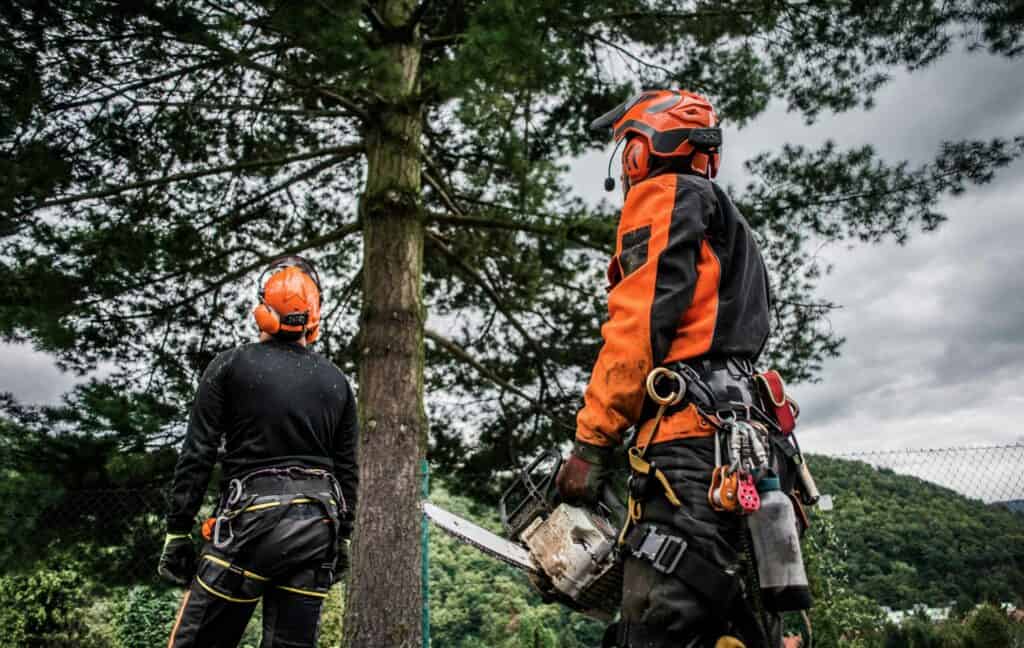
The team needs to think about people, vehicles, access, falling material, nearby buildings, boundaries and the safest way to carry out the work. In some situations, the area may need to be sectioned off. In others, machinery may be needed to complete the job safely and efficiently.
At DTG Trees & Grounds, we always look at the site properly before starting work. That includes considering the tree itself, what surrounds it and how the work can be completed with minimal disruption.
If a tree has already failed, dropped a large limb or become unsafe after high winds, our emergency tree call out service may be more appropriate.
Supporting Landowners, Estates and Commercial Sites Across Devon
Roadside and footpath tree management is relevant to a wide range of property owners across Devon.
This includes:
- Farms with trees along lanes and access tracks
- Estates with public footpaths crossing land
- Schools with trees near entrances and play areas
- Care homes and retirement developments
- Holiday parks and campsites
- Business premises and industrial estates
- Residential developments and managed grounds
- Private homes with trees near roads or pavements
For larger sites, tree safety often forms part of wider grounds and garden maintenance. Keeping trees, hedges, boundaries and vegetation under control helps outdoor areas stay safer, tidier and easier to manage throughout the year.
Don’t Forget Hedges and Vegetation Near Roads
Trees are not the only issue around roads and footpaths. Overgrown hedges, brambles and vegetation can also narrow paths, reduce visibility and make access difficult.
Regular hedge trimming helps keep boundaries neat and manageable, while more overgrown areas may need extreme vegetation clearance to bring them back under control.
Where fencing is also damaged or exposed after clearance work, DTG Fencing can help with new installations and repairs through DTG Fencing.
Professional Tree Inspections and Tree Work in Devon
DTG Trees & Grounds provides tree services, inspections, tree surgery, vegetation management and grounds maintenance across Devon.
If you are concerned about trees near a road, public footpath, access route or boundary, we can assess the situation and recommend the most practical next step.
Sometimes that may be pruning. Sometimes it may be deadwood removal, reduction, ongoing monitoring or full removal where the risk is too high. The key is getting clear advice before the problem becomes urgent.
Keep Roads, Footpaths and Boundaries Safe
Trees are an important part of Devon’s countryside and built environment, but they do need proper management where they grow close to public access.
If you are responsible for land with trees beside roads, paths, driveways, entrances or shared spaces, now is a good time to check whether any work is needed before autumn and winter weather arrives.
Get in touch with DTG Trees & Grounds to arrange a professional tree inspection or discuss tree work near roads, footpaths and public access areas across Devon.

Do you need help from our experts?
Give us a call today to get expert advice and support from our experienced team.